





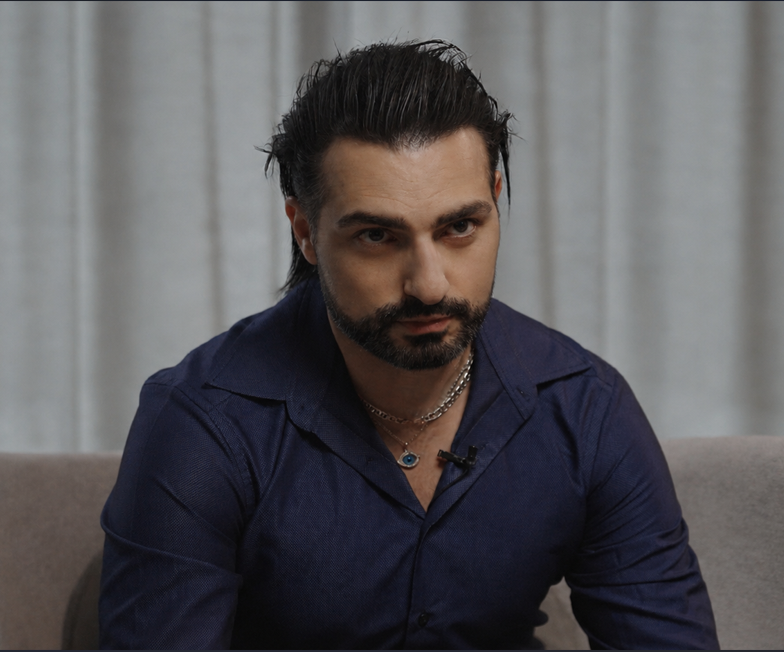
About Mohammad Yassin
I bring more than 15 years of experience from the IT industry, combining deep technical expertise, strong business acumen, and a proven ability to teach, train, and inspire teams. I`m both a technical architect, AI trainer, and commercial business builder, with a background in software engineering, IT architecture, and AI, as well as leadership roles as Head of Software Engineering & Technology and Head of Business Development. For many years, I have designed and delivered courses, workshops, and learning programs for both technical and non-technical audiences, translating complex technology into clear, practical, and actionable knowledge. Alongside this, I have hands-on experience building, selling, recruiting, and scaling successful business units, which gives me a strong understanding of both the technology and the commercial realities around it. My strength is helping organisations turn AI from an abstract opportunity into real capability, confident adoption, and measurable business impact.